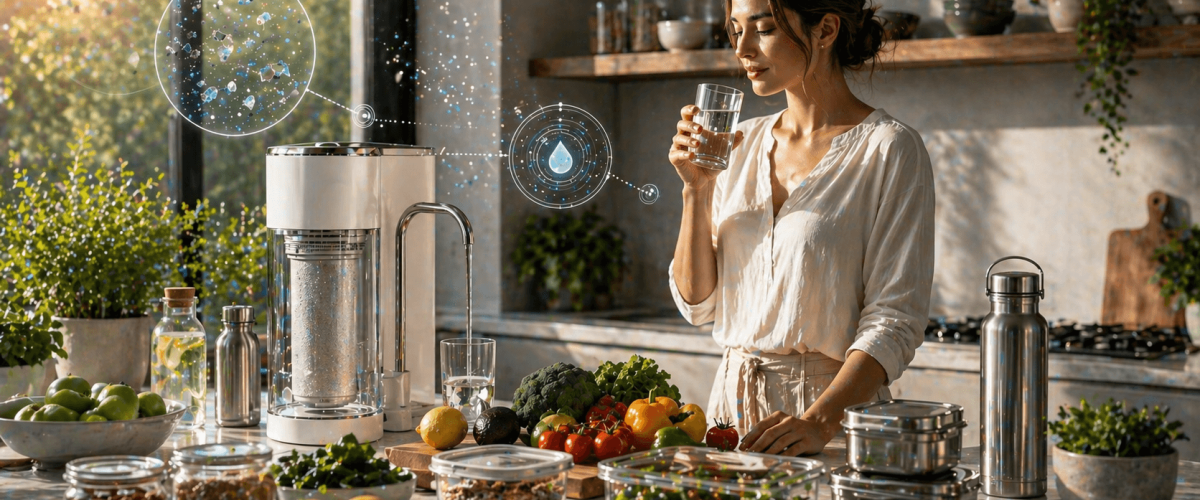

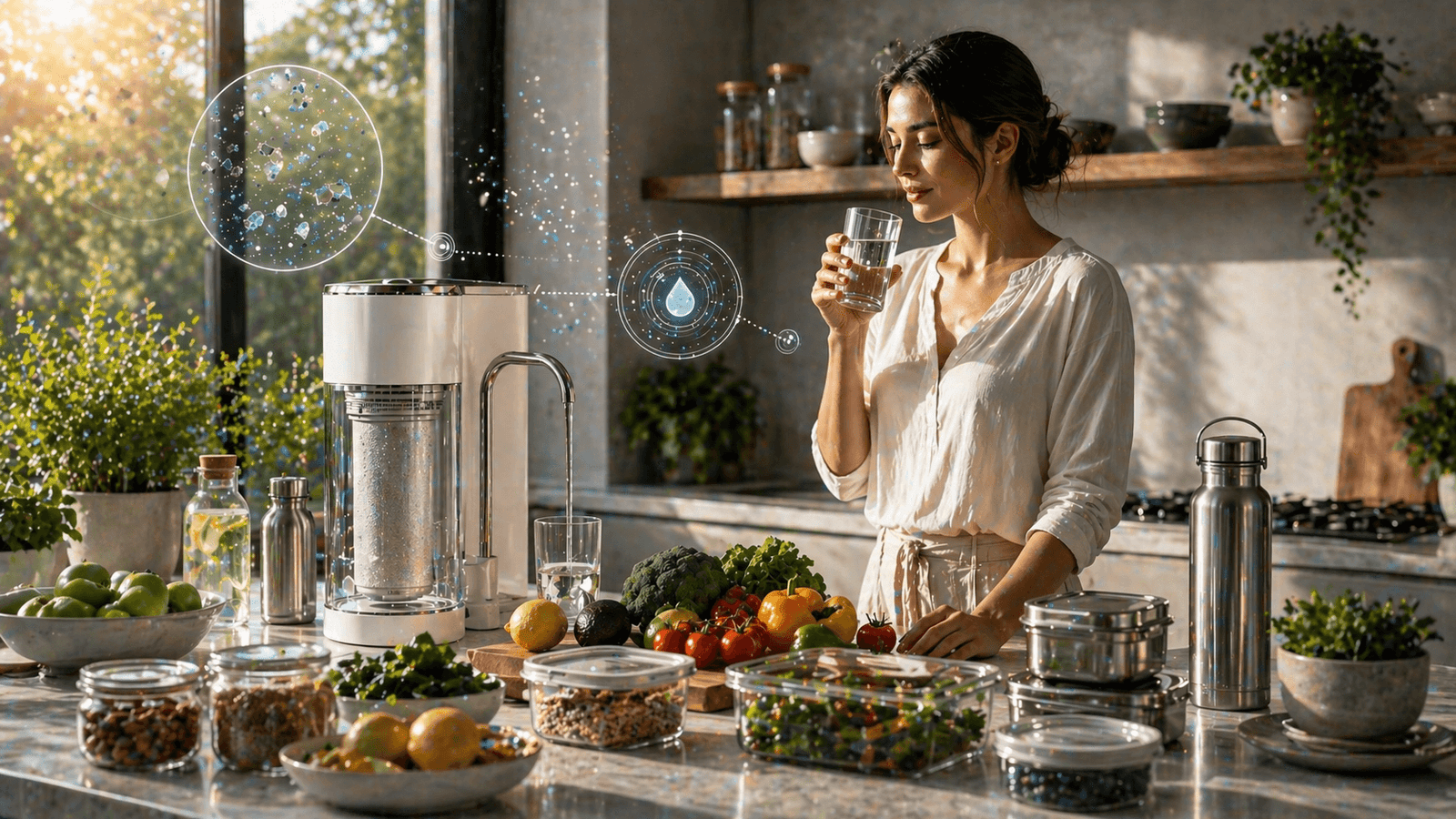
Yes, you can reduce microplastic in water exposure and everyday plastic exposure with simple habits. The biggest wins are filtering your water, avoiding bottled water, reducing food contact with plastic, and cutting down on hidden plastic sources in your home. You may not completely remove exposure, but you can reduce it dramatically.
What’s the hard truth about microplastic exposure?
You do not have to live in a landfill to be exposed to plastic. It is in water.
It is in food. It is in air.
That sounds extreme.
But after over 50 years in water treatment, I can tell you this.
The biggest exposures often come from ordinary habits that people think are harmless.
The good news? Many are fixable.
Can you actually reduce microplastics in water exposure in daily life?
Yes. You can significantly reduce exposure with practical steps.
Do not think of perfection. Think reduction.
Even small changes stack up.
1. Filter your drinking water properly
This is the biggest one.
If you do one thing, do this.
What helps:
- Reverse osmosis
- Multi-stage filtration
- Properly designed home systems Basic filters often do not do enough.
Do not treat a microscopic problem with a cosmetic solution.
2. Stop relying on bottled water.
Bottled water often adds microplastic exposure. Plastic bottles shed particles.
Heat makes it worse.
A case of bottled water is often a case of false confidence.
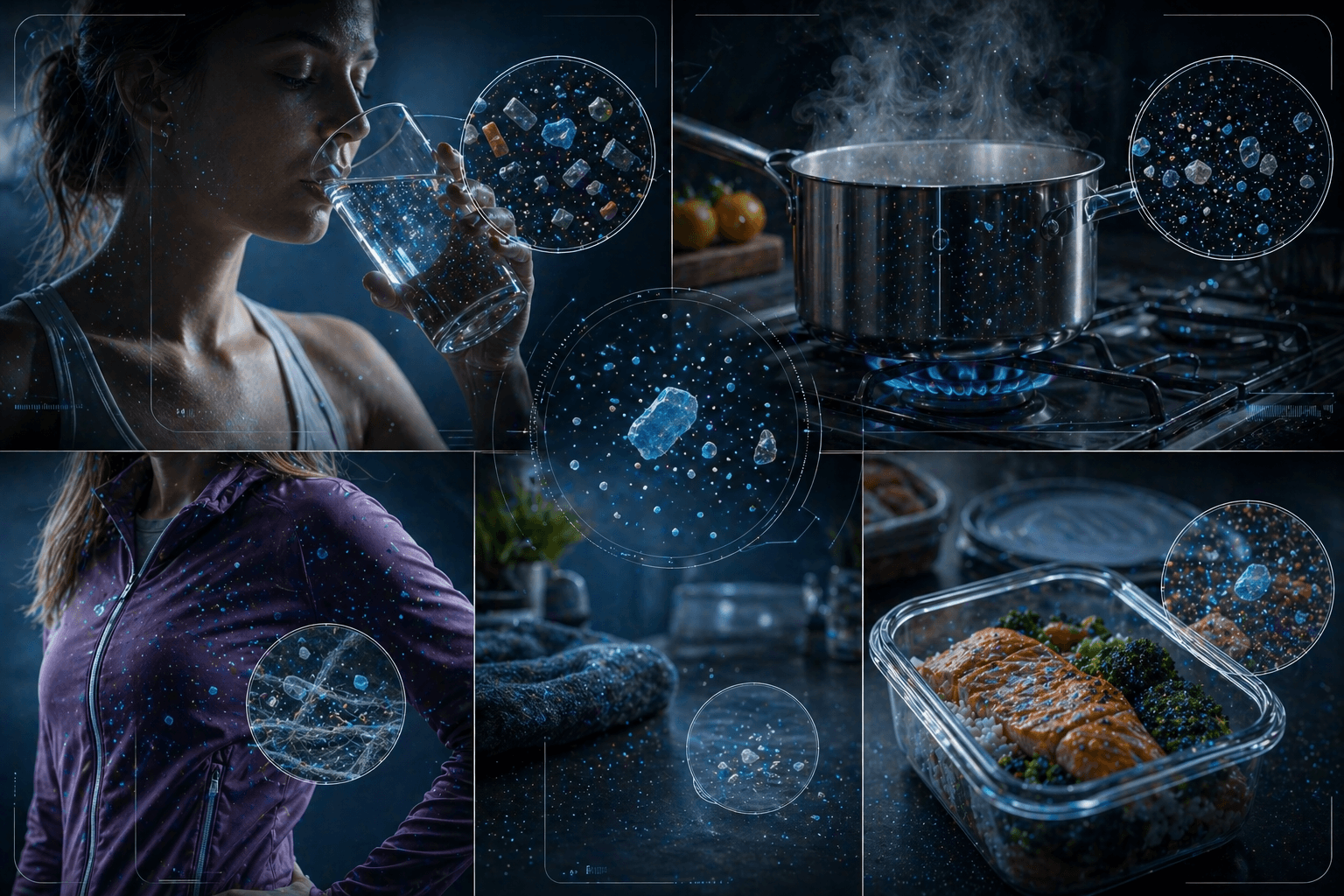
3. Do not heat food in plastic.
Heat and plastic are a bad marriage.
Avoid:
- Microwaving in plastic containers
- Hot food in plastic takeout tubs
- Pouring boiling food into plastic storage Use:
- Glass
- Stainless steel
- Ceramic
4. Drink from glass or stainless steel
Simple move.
Big reduction. Use:
- Glass water bottles
- Stainless steel bottles
- Non-plastic storage whenever possible Less contact. Less exposure.
5. Reduce canned food and canned drinks
Many people forget this.
Cans often have plastic linings. That includes:
- Sparkling water
- Canned water
- Soups
- Sauces Not always a crisis. But it adds up.
6. Cut back on ultra-processed foods
This surprises people.
Processed foods often pick up plastic through:
- Packaging
- Manufacturing
- Processing equipment
Fresh foods usually mean less exposure.
7. Be careful with tea bags
Some tea bags contain plastic. Yes. Even tea.
Choose:
- Loose-leaf tea
- Plastic-free tea bags One simple swap.
Huge difference over time.
8. Use fewer synthetic fabrics
This one gets overlooked.
Polyester and similar fabrics shed microfibers. Those fibers become microplastics.
Natural fibers help:
- Cotton
- Linen
- Wool, especially for bedding.
You breathe around these every night.
9. Wash synthetic clothes less aggressively
If you wear synthetics:
- Wash colder
- Use gentler cycles
- Wash less often when practical This reduces microfiber shedding. Small habit.
Real impact.
10. Vacuum and dust
more often Microplastics can collect in household dust. Especially in modern homes filled with plastics. Regular cleaning lowers inhalation exposure. And yes, inhaling plastic matters too.
11. Avoid black plastic kitchen tools
This is an insider tip many miss.
Old black plastic utensils can be problematic. Swap them for:
- Wood
- Stainless steel
- Silicone from trusted brands
Cheap kitchen tools can quietly add exposure.
12. Treat your whole-home water, not just drinking water
This is where many people stop too early. Microplastic in water is not only about what you drink. Think about:
- Shower water
- Cooking water
- Ice
- Appliances Protection should be broader.
That is why whole-home design matters.
Which tips matter most?
If I were prioritizing, start here:
| Priority | Action | Impact |
| ➤ 1st | Filter drinking water | Very High |
| ➤ 2nd | Stop bottled water | Very High |
| ➤ 3rd | Avoid heating food in plastic | High |
| ➤ 4th | Switch to glass and steel | High |
| ➤ 5th | Reduce synthetic exposure | Medium to High |
Do these first.
You will move the needle.
What mistake do most people make?
They focus on tiny lifestyle hacks… And ignore their water.
That is backward.
If your water is a daily exposure source, fixing that first is like fixing the leak before mopping the floor.
That is where I would start every time.
How do we approach this at McCowin Water?
We do not sell fear. We solve problems.
And we do it differently.
We are the Auto Mall of water treatment.
Not a captive dealer pushing one brand.
We carry multiple solutions and match the right one to your home.
Because water in Irvine is different than water in Newport Beach or Huntington Beach. And your solution should reflect that.
How do you know what your water needs?
Start with a Free, In-Home Water Test. And we do not send samples to a lab. We test on-site.
In real time.
With zero sales pressure. You get clarity immediately.
Why trust McCowin Water?
Because we back what we install.
“If the system we install doesn’t perform the way we promised… If your water doesn’t taste, feel, or behave the way we said it would… We’ll pull the whole system out. And either replace it or make it right. No fine print. Because your trust is worth more than the sale.”
That is our standard. Always has been.
What should you do next?
If reducing microplastic exposure matters to you, start with water.
Call us at (949) 569-5736 or Schedule a Free, In-Home Water Test Today.
No pressure. Just answers.
Final Thought
You may not eliminate all plastic exposure. But you can stop living carelessly around it. And that matters A lot.
McCowin Water Solutions
222 Goddard, Irvine, CA 92618
(949) 569-5736
CSLB Licensed C-55 #1022717
Three generations of McCowin Water. Trusted Orange County water expertise since 1972.