
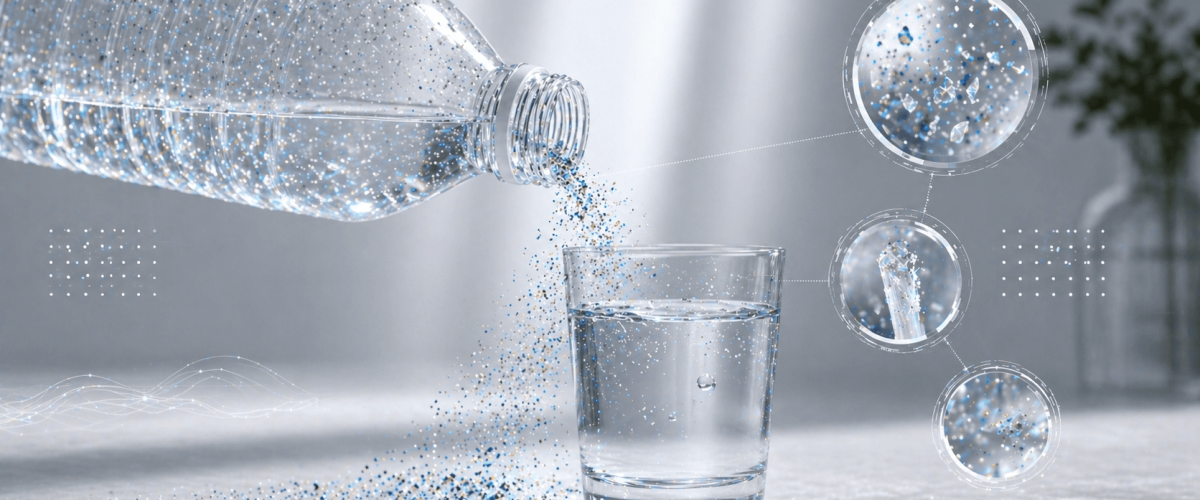

Yes, most plastic water bottles can release microplastics in water, though the amount can vary. Heat, storage time, transportation, and the type of plastic all affect how much shedding occurs. Some bottles may release less than others, but no plastic bottle should be assumed completely free from microplastic exposure. The safest solution is to reduce bottled water use and filter water at home.
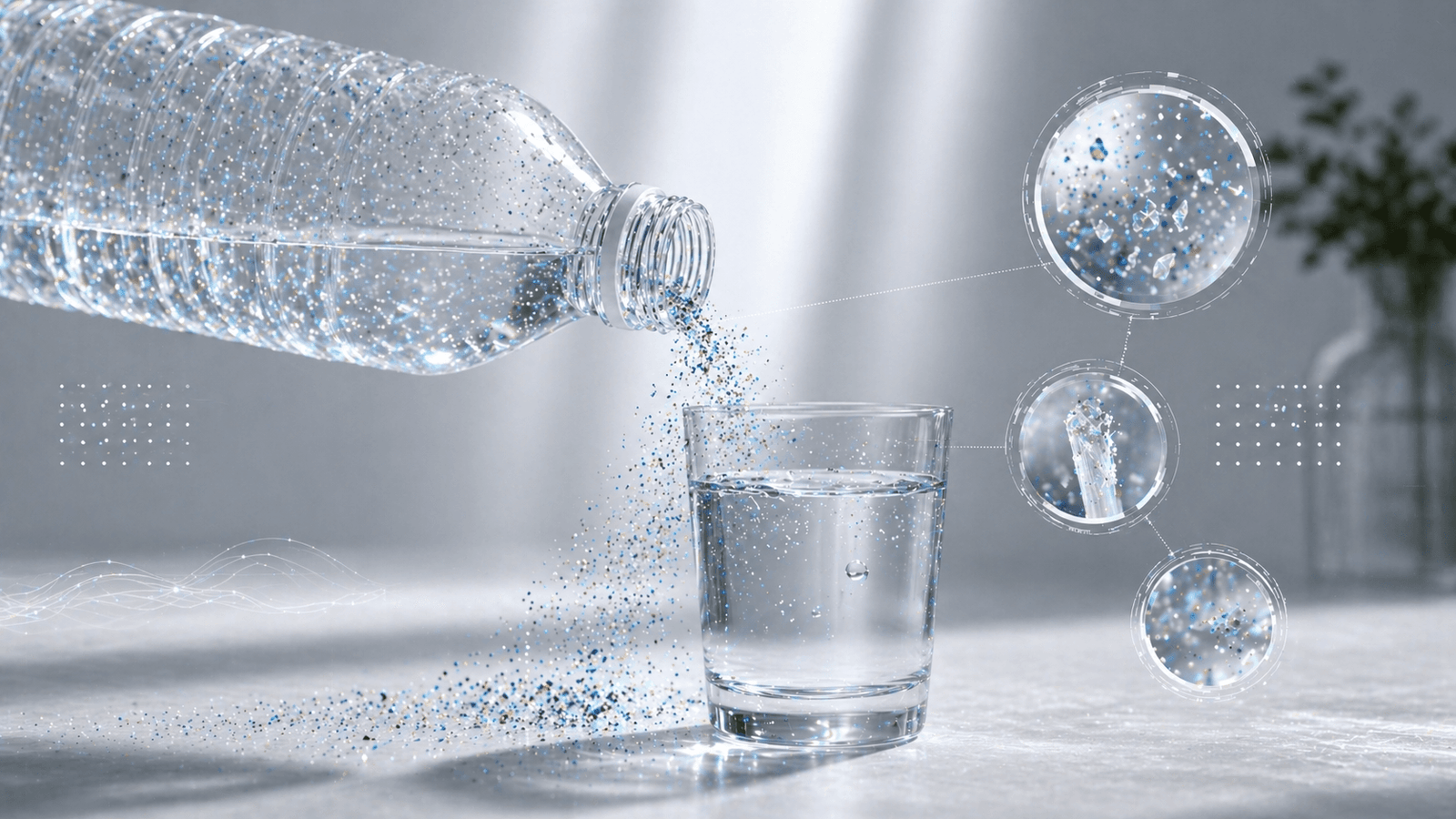
What’s the uncomfortable truth about plastic water bottles?
The bottle may be contaminating the water it claims to protect. That sounds backward.
But it is often true.
I have been in this business since 1972, and I will say something most of the bottled water industry will not.
In many cases, the packaging is part of the pollution.
That is a hard truth.
But it matters.
Do all plastic water bottles release microplastic in water?
Most do to some degree. Nearly all plastic water bottles can shed microplastics in water over time.
The amount can vary. But the process is real.
Why?
Because plastic ages. Plastic wears.
Plastic breaks down.
And when it does, particles can enter the water.
Why do plastic bottles shed microplastics?
Because plastic is not perfectly stable.
Common triggers for shedding:
- Heat exposure
- Sunlight
- Friction during shipping
- Long storage times
- Repeated squeezing or handling
Leave a bottle in a warm car in Newport Beach for a day?
Risk goes up.
Significantly.
Plastic does not have to crack to start breaking down.
That is what many people miss.
Do some bottles release more microplastic in water than others?
Yes.
Not all bottles behave exactly the same.
Factors that affect shedding:
- Plastic type
- Bottle thickness
- Manufacturing quality
- Age of the bottle
- Storage conditions
Cheap, thin bottles often raise more concern. But even premium bottles are not immune.
That is important.
Does reusing plastic water bottles make microplastic exposure worse?
Often yes.
Reusing disposable bottles can increase shedding. Why?
Because repeated use creates wear.
That can mean:
- Surface breakdown
- More friction
- More particle release
Those single-use bottles were never meant for long-term reuse. And yet people do it every day.
Is bottled water worse for microplastics than tap water?
Often yes. Bottled water can contain higher levels of microplastic in water than tap water.
Here is a simple comparison:
| Factor | Tap Water | Plastic Bottled Water |
| ➤ Microplastic Risk | Moderate | High |
| ➤ Packaging Exposure | None | High |
| ➤ Storage Risk | Low | High |
| ➤ Heat Sensitivity | Low | High |
| ➤ Control | Limited | None |
That surprises many homeowners. But it should not.
The bottle is part of the equation.
Can “BPA-free” bottles solve the problem?
No.
This is a big misconception.
“BPA-free” does not mean microplastic-free. Those are different concerns.
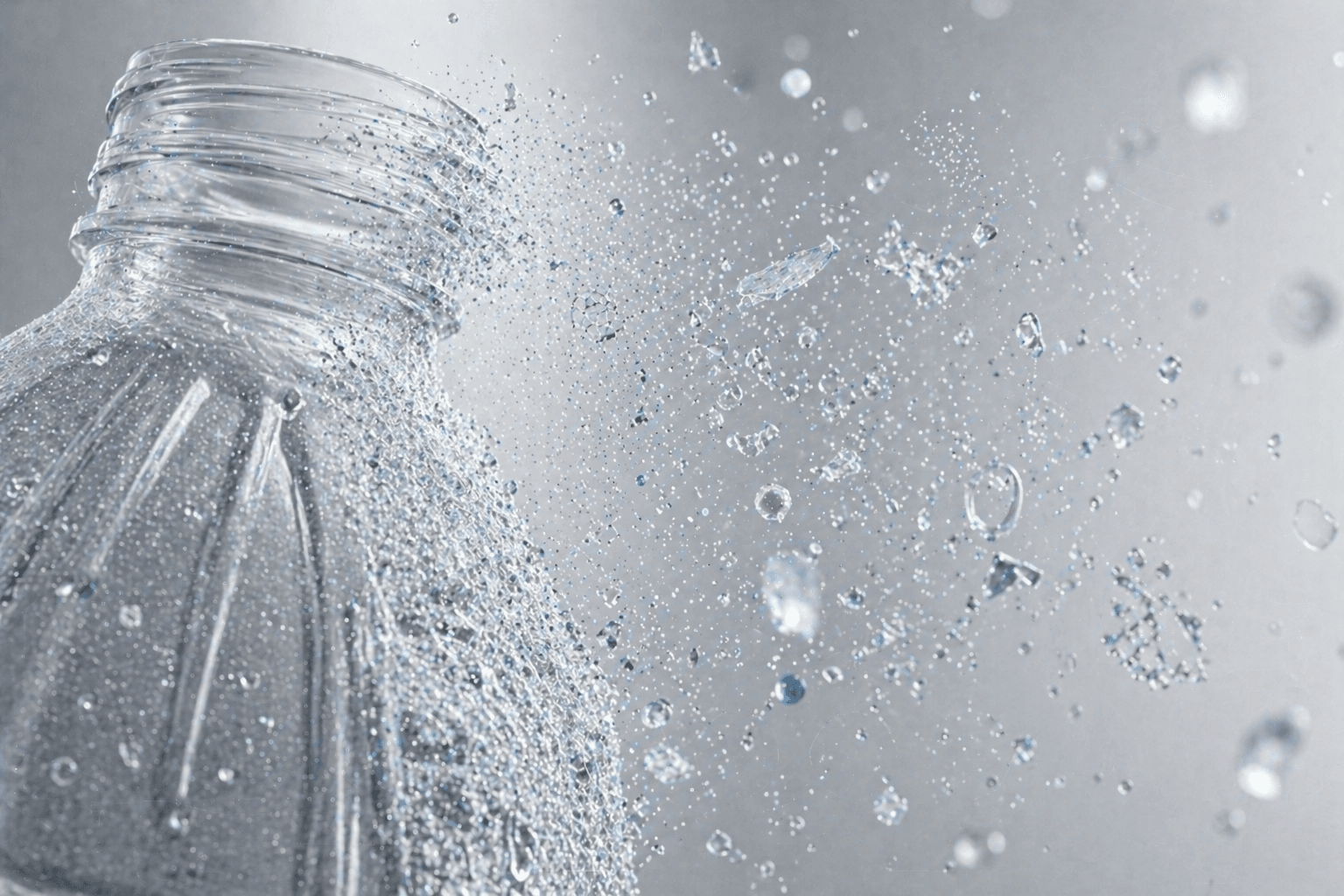
BPA-free may address:
- One chemical issue
It does not guarantee:
- No particle shedding
- No plastic breakdown
- No microplastic exposure. Different label. Same plastic.
Do not confuse the two.
So, should you avoid plastic water bottles entirely?
As a daily water strategy?
Yes, I would.
Occasional convenience is one thing.
Depending on bottled water for long-term protection? That is another story.
And not one I would recommend.
What is a better solution than bottled water?
Control your water at the source. That is always the smarter play.
Better options:
- Reverse osmosis systems
- Multi-stage filtration
- Whole-home treatment solutions
This is where I use an analogy I have used for years.
We are the Auto Mall of water treatment.
We do not push one captive-brand product.
We carry multiple solutions and fit the right one to your home.
Because water in Irvine is not the same as Laguna Niguel or Huntington Beach. And the solution should match the water.
Why do most people still trust bottled water?
Because they trust branding. Not treatment.
Words like:
- Pure
- Natural
- Premium
Those are marketing words. Not performance standards.
Labels do not remove contaminants.
Systems do.
How do you know what is in your water?
You test it properly.
We offer a Free, In-Home Water Test where:
- We test your water on-site
- You see results immediately
- We explain everything clearly
- There is zero sales pressure, and we do not send your water to a lab. We test in real time.
At your home.
Why trust McCowin Water?
Because we stand behind what we install.
“If the system we install doesn’t perform the way we promised… If your water doesn’t taste, feel, or behave the way we said it would… We’ll pull the whole system out. And either replace it or fix it. No fine print. Because your trust is worth more than the sale.”
That is our standard.
And it has been for decades.
What should you do next if you are worried about microplastics in water?
Stop assuming bottled water is the answer. Fix the source.
Call us at (949) 569-5736 or Schedule a Free, In-Home Water Test Today.
No pressure. Just answers.
Final Thought
Do most plastic bottles give off microplastics? Yes.
The bigger question is:
Why keep trusting the container when you can control the water?
McCowin Water Solutions
222 Goddard, Irvine, CA 92618
(949) 569-5736
CSLB Licensed C-55 #1022717
Three generations of McCowin Water. Trusted Orange County water expertise since 1972.