
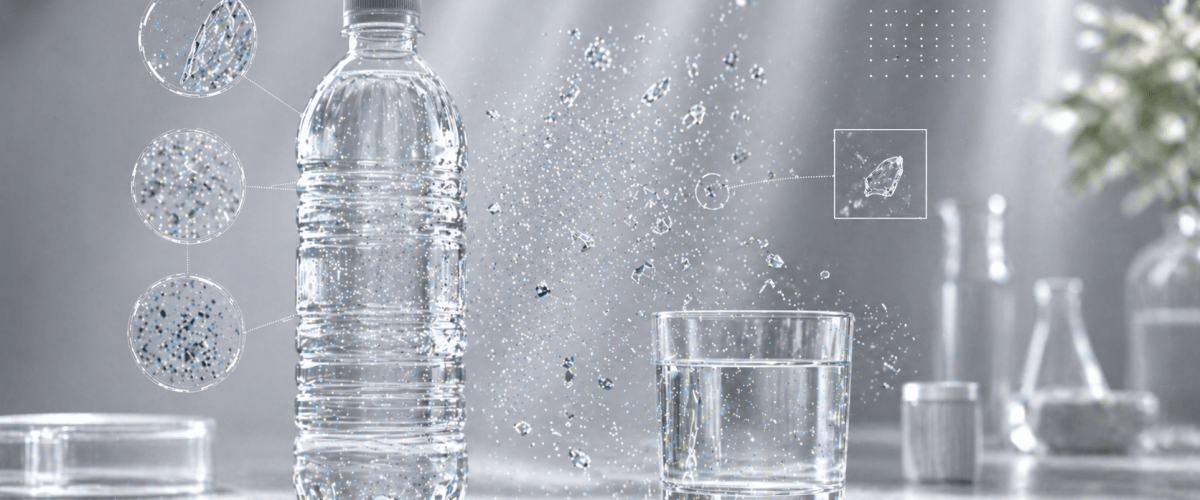

Yes, microplastic in water, especially bottled water, is a legitimate concern. Research from 2023 to 2025 suggests microplastics may accumulate in the body, carry harmful chemicals, and may be linked to inflammation, hormone disruption, and other health concerns. While science is still evolving, the risk is serious enough to reduce exposure now. The safest move is controlling your water at the source with proper filtration.
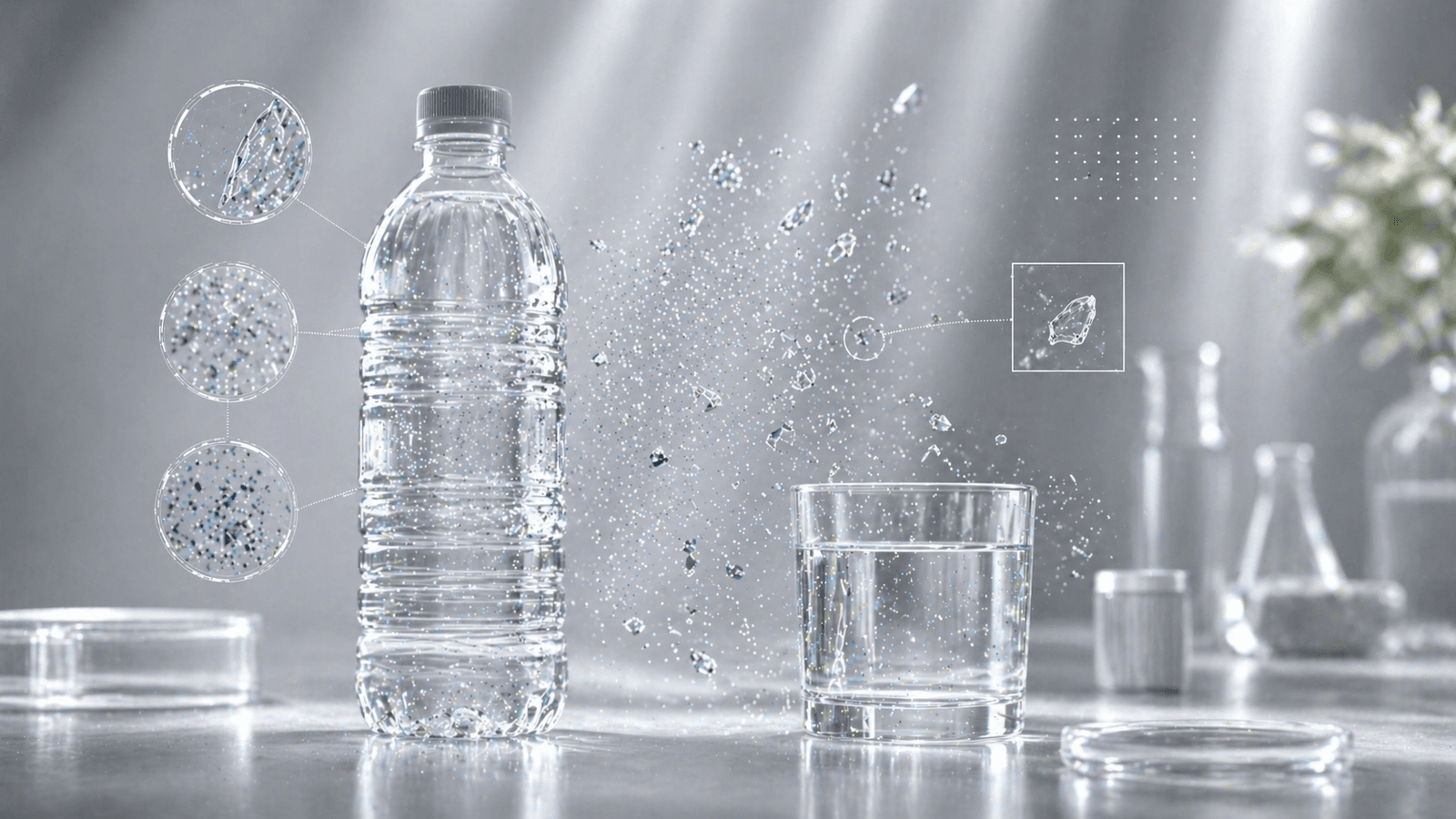
What’s the uncomfortable truth about bottled water?
Many people buy bottled water to avoid contamination.
And maybe buying packaged goods that are contaminated is a convenience.
That sounds harsh.
But after over 50 years in water treatment, I will tell you plainly:
In some cases, the bottle creates part of the problem it claims to solve.
That is the irony.
And yes, it matters.
Are microplastics in bottled water actually harmful?
Potentially yes. Microplastics in water are increasingly viewed as a health concern, not just an environmental one.
Here is what worries researchers:
Microplastics may:
- Build up in the body
- Carry harmful chemicals
- Trigger inflammation
- Interact with hormones
- Transport pollutants into tissues
That does not mean one bottle harms you.
This is about repeated exposure.
Over the years.
That is the issue.
Why are scientists concerned about microplastics in water?
Because plastic is not always traveling alone.
It can carry passengers.
Those may include:
- PFAS
- Heavy metals
- Industrial chemicals
- Plastic additives
Think of microplastics as tiny rafts.
Sometimes the raft is not the only problem.
It is what rides on it.
Sometimes the carrier matters as much as the cargo.
That is why concern has grown.
How much microplastic in water is found in bottled water?
Often more than people realize.
Recent studies have found:
- Tens of thousands of particles per liter
- Sometimes far more
- Including ultrafine nanoplastics
And those smaller particles may matter most.
Because smaller particles may move through the body differently.
That is what researchers are watching closely.
Is bottled water worse for microplastics than tap water?
Often yes.
Here is a simple comparison:
Factor Tap Water Bottled Water
| Factor | Tap Water | Bottled Water |
| ➤ Microplastic Risk | Moderate | Often Higher |
| ➤ Packaging Exposure | None | High |
| ➤ Storage Risk | Low | High |
| ➤ Heat Sensitivity | Low | High |
| ➤ User Control | Moderate | Low |
That surprises many homeowners.
But it should not.
The packaging matters.
Are microplastics proven to cause disease?
Science is still developing.
And I want to be straight with you.
Some questions are still being studied.
But concern exists because evidence suggests possible links involving:
- Inflammation
- Oxidative stress
- Hormonal effects
- Long-term accumulation
And frankly…
You do not wait for a fire report before leaving a smoky room. When risk signals appear, smart people reduce exposure. That is common sense.
H2: Does bottled water become riskier in heat?
Yes.
Heat can increase concern.
Especially in:
Yes.
Heat can increase concern. Especially in:
- Cars
- Garages
- Outdoor storage
- Delivery conditions
Southern California heat is no joke.
Leave bottled water baking in a car?
I would not.
Does “premium” bottled water avoid microplastic in water?
Not necessarily.
Price is not protection.
Fancy labels do not stop particle shedding.
This is one of the biggest myths in the industry.
Premium branding is not premium physics.
Plastic is still plastic.
What actually reduces microplastic in water exposure?
This is where solutions matter.
Effective approaches:
- Reverse osmosis
- Multi-stage filtration
- Whole-home water treatment
And this is where I explain something I have said for years.
We are the Auto Mall of water treatment.
Not a captive dealer pushing one brand.
We carry multiple high-quality systems and fit the right one to your home.
Because water in Irvine is not the same as Newport Beach or Laguna Niguel.
And neither should the solution be.
Why do most people keep trusting bottled water?
Because of marketing. Words like:
- Pure
- Glacier
- Premium
- Natural
Those are stories.
Not treatment standards.
Labels do not remove contaminants.
Systems do.
How do you know what your water needs?
Start with a Free, In-Home Water Test.
And we do not send water off to a lab.
We test on-site.
In real time.
With zero sales pressure. You get answers immediately.
Why trust McCowin Water?
Because we stand behind what we install.
“If the system we install doesn’t perform the way we promised… If your water doesn’t taste, feel, or behave the way we said it would… We’ll pull the whole system out. And either replace it or make it right. No fine print. Because your trust is worth more than the sale.”
That is not a slogan. That is how we operate.
What should you do next?
If you are worried about microplastic in water, stop treating bottled water like a safety plan. Fix the source.
Call us at (949) 569-5736 or Schedule a Free, In-Home Water Test Today.
No pressure. Just answers.
Final Thought
Are microplastics in bottled water harmful?
The better question is:
Why accept unnecessary exposure at all?
You do not have to.
McCowin Water Solutions
222 Goddard, Irvine, CA 92618
(949) 569-5736
CSLB Licensed C-55 #1022717
Three generations of McCowin Water. Trusted Orange County water expertise since 1972.
-
Are microplastics in bottled water harmful?
Potentially yes. Research suggests microplastics may carry harmful chemicals, accumulate in the body, and may be linked to health concerns.
-
Is bottled water worse for microplastics than tap water?
Often yes. Bottled water can contain higher levels of microplastics because the packaging itself can introduce contamination.
-
What reduces microplastics in water exposure?
Properly designed filtration systems, such as reverse osmosis and multi-stage filtration, are effective ways to reduce exposure to microplastics.