
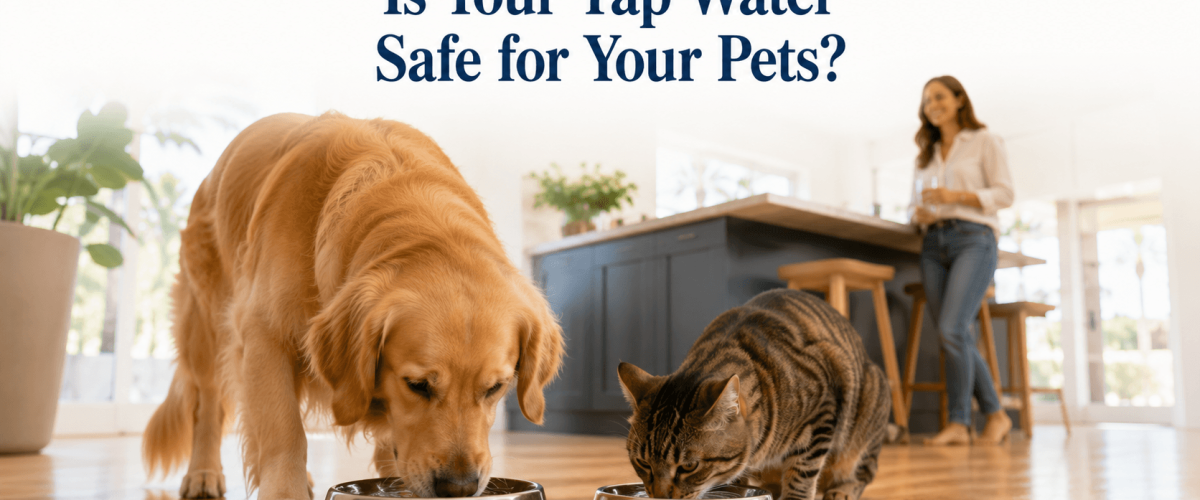

If you’re wondering about safe tap water for pets in Orange County, the answer is that most pets drink the same water their owners do. However, many pet owners are increasingly interested in understanding their water quality because factors such as chlorine, chloramines, hard water minerals, taste, and overall drinking water quality can affect what goes into their pet’s bowl every day. The best way to understand your water is through a professional, in-home water test that identifies what’s actually in your water supply.
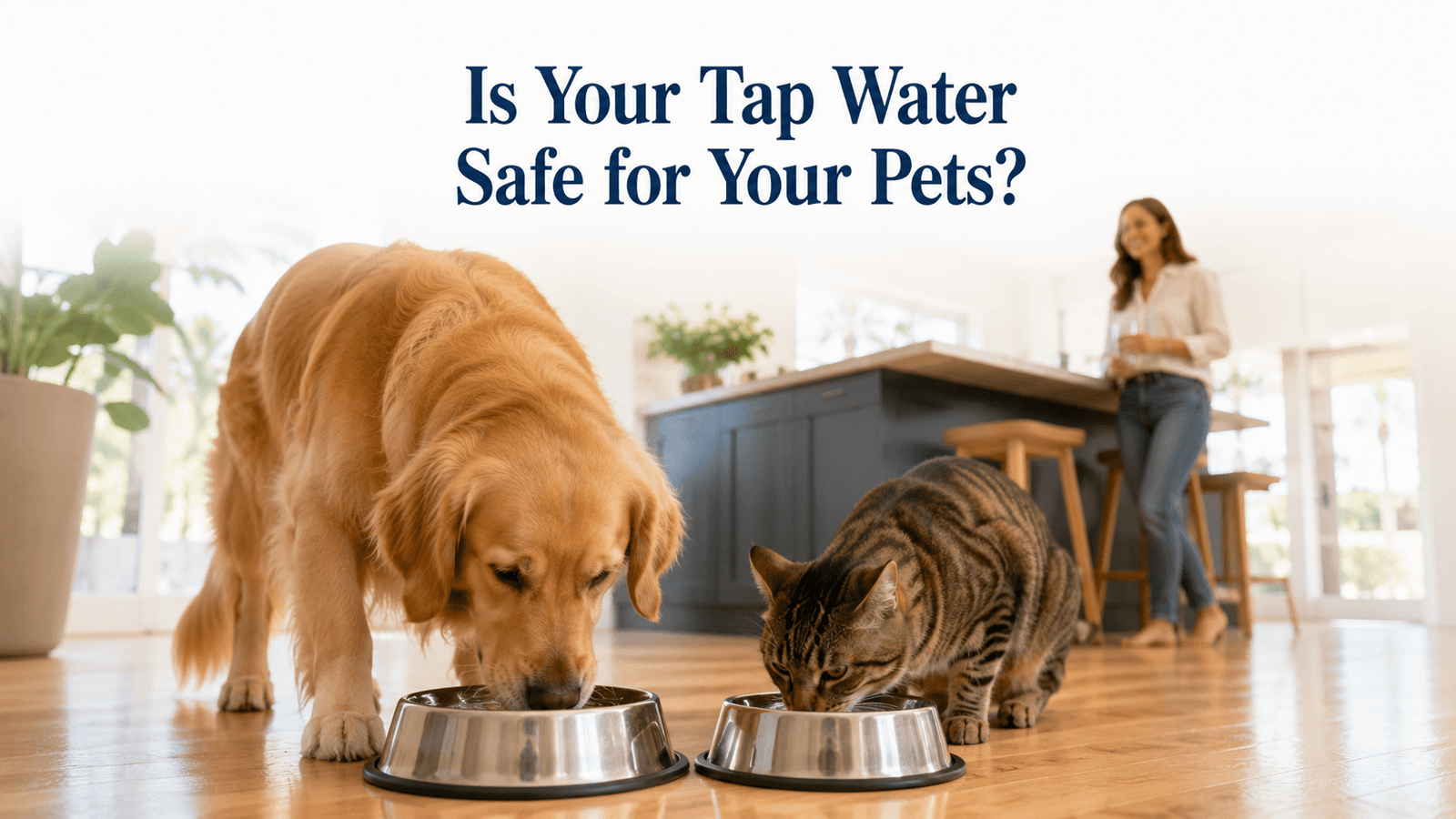
Here’s a truth every pet owner understands: You’d never knowingly give your dog or cat something you wouldn’t feel comfortable consuming yourself. Yet every day, many homeowners fill a pet bowl without ever really knowing what’s in the water.
I’m Brian McCowin. My family has been helping Orange County homeowners understand their water since 1972. And over the last few years, we’ve noticed a growing trend.
People aren’t just asking about their own drinking water anymore. They’re asking about their pets. And honestly, I think that’s a good thing. For many families, pets aren’t animals. They’re family members. They sleep in our homes, ride in our cars, go on our vacations. And drink from the same water supply we do.
So it’s natural to ask: “Is my tap water okay for my dog?” “Should my cat drink filtered water?” “Does water quality matter for pets?”
Let’s talk about what every Orange County pet owner should know.
Is Orange County tap water safe for pets?
Most pets consume the same household water supply their owners use every day. Dogs, cats, and other household pets commonly drink tap water without issue.
However, many pet owners want to better understand their water quality because water can contain characteristics such as:
- Chlorine
- Chloramines
- Hard water minerals
- Dissolved solids
- Taste and odor compounds
Just as homeowners have preferences regarding drinking water quality, many pet owners prefer to understand what their pets are drinking as well.
Knowledge creates confidence and confidence is valuable when it comes to family members—especially the four-legged ones.
Why are pet owners paying more attention to water quality?
Pet owners today are more informed than ever before. Think about how much pet care has changed.
People now research:
- Pet nutrition
- Ingredients
- Exercise
- Grooming
- Veterinary care
- Environmental factors
Water quality has naturally become part of that conversation. Recent discussions between 2023 and 2025 surrounding drinking water quality, PFAS, microplastics, chlorine, and emerging contaminants have encouraged many homeowners to take a closer look at their household water.
That includes the water their pets drink.
Can chlorine affect the taste of water for pets?
Many homeowners notice chlorine because of its taste and smell. Pets experience water differently than humans. In fact, dogs have highly developed senses of smell. Cats can be surprisingly selective about water sources.
Many homeowners tell us: “My dog drinks from puddles but ignores the water bowl.” “My cat seems picky about drinking water.” While every pet is different, many owners simply prefer to provide water that tastes and smells as clean as possible.
That’s one reason water quality has become a growing topic among pet owners.
Does hard water matter for pets?
Hard water contains minerals such as calcium and magnesium. These minerals are extremely common throughout Orange County.
Homeowners often notice hard water because of:
- Water spots
- Scale buildup
- Appliance issues
- Shower residue
When it comes to pets, many owners are simply interested in understanding what minerals are present in their water and how overall water quality compares to their preferences for drinking water.
The first step is always knowing what’s in the water.
Why does my pet seem to prefer filtered water?
Many pet owners report that their pets appear to prefer certain water sources over others. This is one of the most common stories we hear. A dog refuses one bowl but drinks enthusiastically from another. A cat ignores tap water but drinks from a fountain.
Every animal is different. But many pet owners find peace of mind knowing they’re providing water that has been evaluated and, when appropriate, treated to address taste and odor concerns.
Is bottled water better for pets than tap water?
Many homeowners assume bottled water is automatically better. The reality is more complicated.
Bottled water varies depending on:
- Source
- Treatment method
- Brand
- Storage conditions
The better question is often: “What do I actually know about the water?” Whether water comes from a bottle or a faucet, understanding its quality is what matters most. That’s why testing is often more valuable than assumptions.
What is the best way to improve drinking water quality for pets?
The best approach is the same one we recommend for homeowners: Understand the water first.
Before considering any treatment options, it’s important to determine:
- What’s in the water
- What concerns exist
- What goals you have
- Which treatment solutions make sense
Depending on water conditions, homeowners may explore:
- Carbon filtration
- Reverse osmosis
- Whole-home filtration
- Combination treatment systems
The appropriate solution depends on the water itself and not on a marketing claim.
Why do different water companies recommend different solutions?
Many companies only sell one manufacturer’s equipment. That creates confusion. Imagine visiting a dealership that only sells sports cars. Even if you need a truck, they’re still going to recommend a sports car.
At McCowin Water, we’re like an Auto Mall for water treatment.
We’re not tied to one manufacturer. We carry a broad range of premium treatment technologies because every home’s water is different. Some homeowners need simple filtration while some benefit from reverse osmosis. Some need a whole home solution.
The recommendation should come from the water and not from the inventory.
How do I know what’s actually in my water?
The best way is through professional water testing. Without testing, homeowners are often guessing.
A professional evaluation helps answer questions such as:
- How hard is my water?
- Are chlorine or chloramines present?
- What is the dissolved solids level?
- What treatment options make sense?
Once you have those answers, making decisions becomes much easier and much more confident.
What is the smartest first step if I’m concerned about my pet’s drinking water?
The smartest first step is understanding your home’s water. Not shopping online or comparing products or listening to scary headlines. But rather start with facts.
Because when you understand your water, you can make informed decisions for everyone in your home, including your pets.
The McCowin Promise
For more than fifty years, we’ve helped Orange County families separate water facts from water marketing.
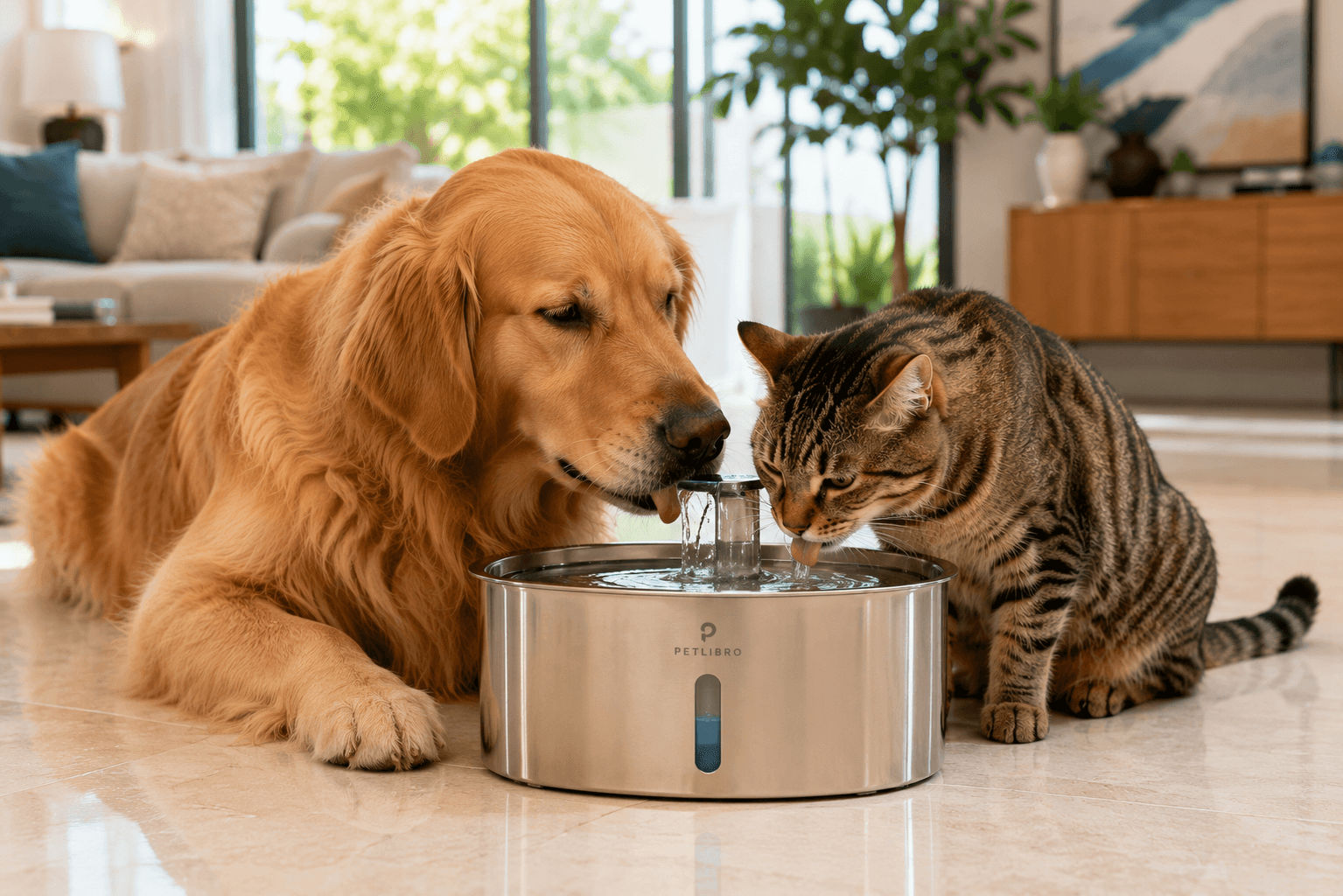
“If the system we install doesn’t perform the way we promised… If your water doesn’t taste, feel, or behave the way we said it would… We’ll pull the whole system out. And either replace it or make it right. No fine print. Because your trust is worth more than the sale.”
Schedule Your Free, In-Home Water Test
If you’re concerned about safe tap water for pets in Orange County, start by finding out exactly what’s in your water.
We do NOT send tests out to a lab and make you wait.
We perform professional, on-site testing right at your kitchen sink. You’ll see what’s in your water, understand your options, and receive honest recommendations with absolutely zero sales pressure.
Call us at (949) 569-5736 or Schedule a Free, In-Home Water Test today and gain peace of mind about the water your entire family drinks including your pets.
CSLB: C-55 #1022717