
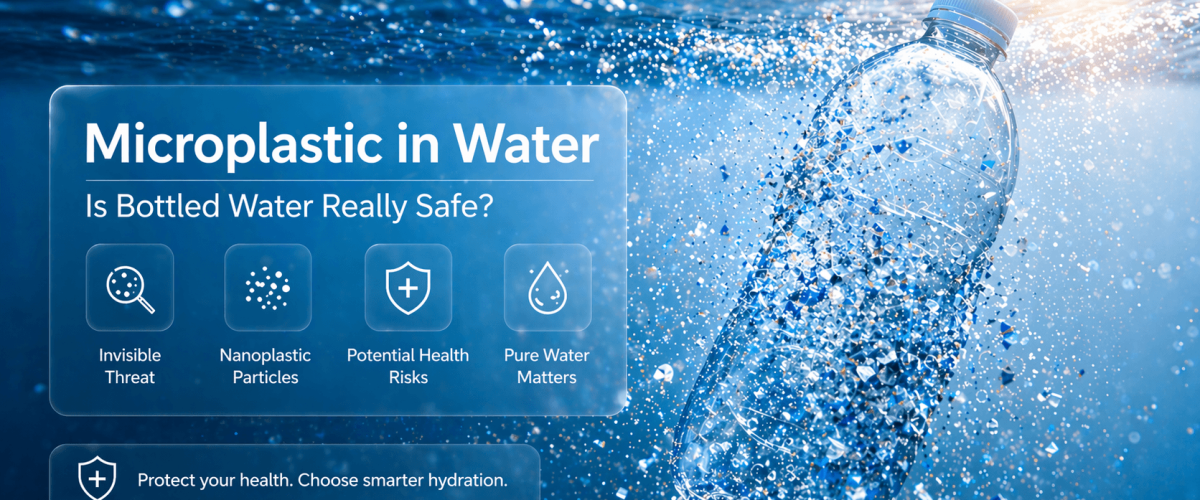

Yes, microplastic in water, including bottled water, is real and widespread. Studies from 2023–2025 show most bottled water contains tiny plastic particles you can’t see, taste, or smell. These particles can build up in your body over time. The safest path isn’t switching brands, it’s controlling your water at the source with properly designed filtration tailored to your home.
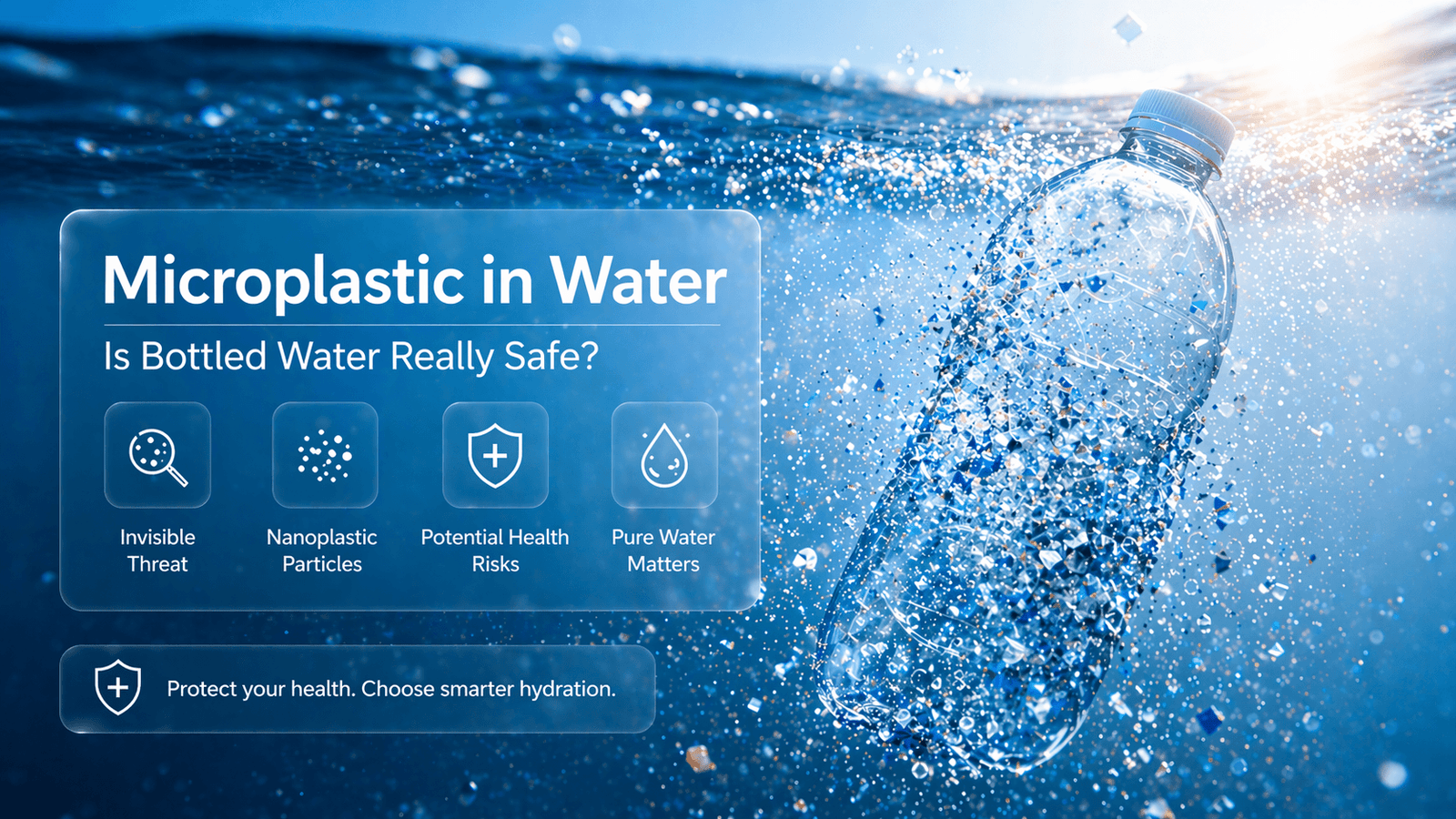
What’s the one truth about bottled water nobody wants to say out loud?
Most bottled water is just filtered tap water… poured into plastic… and sold back to you at a premium.
I’ve been in this business since 1972. I’ve seen trends come and go alkaline, ionized, “premium glacier melt.” But here’s the part that should bother you:
The container is often the contamination.
That’s not marketing fluff. That’s physics and chemistry.
Is there actually microplastic in water you drink every day?
Yes. Microplastic in water is now considered unavoidable in most bottled products.
Recent research (2023-2025) using advanced imaging found:
- Up to hundreds of thousands of plastic particles per liter in bottled water
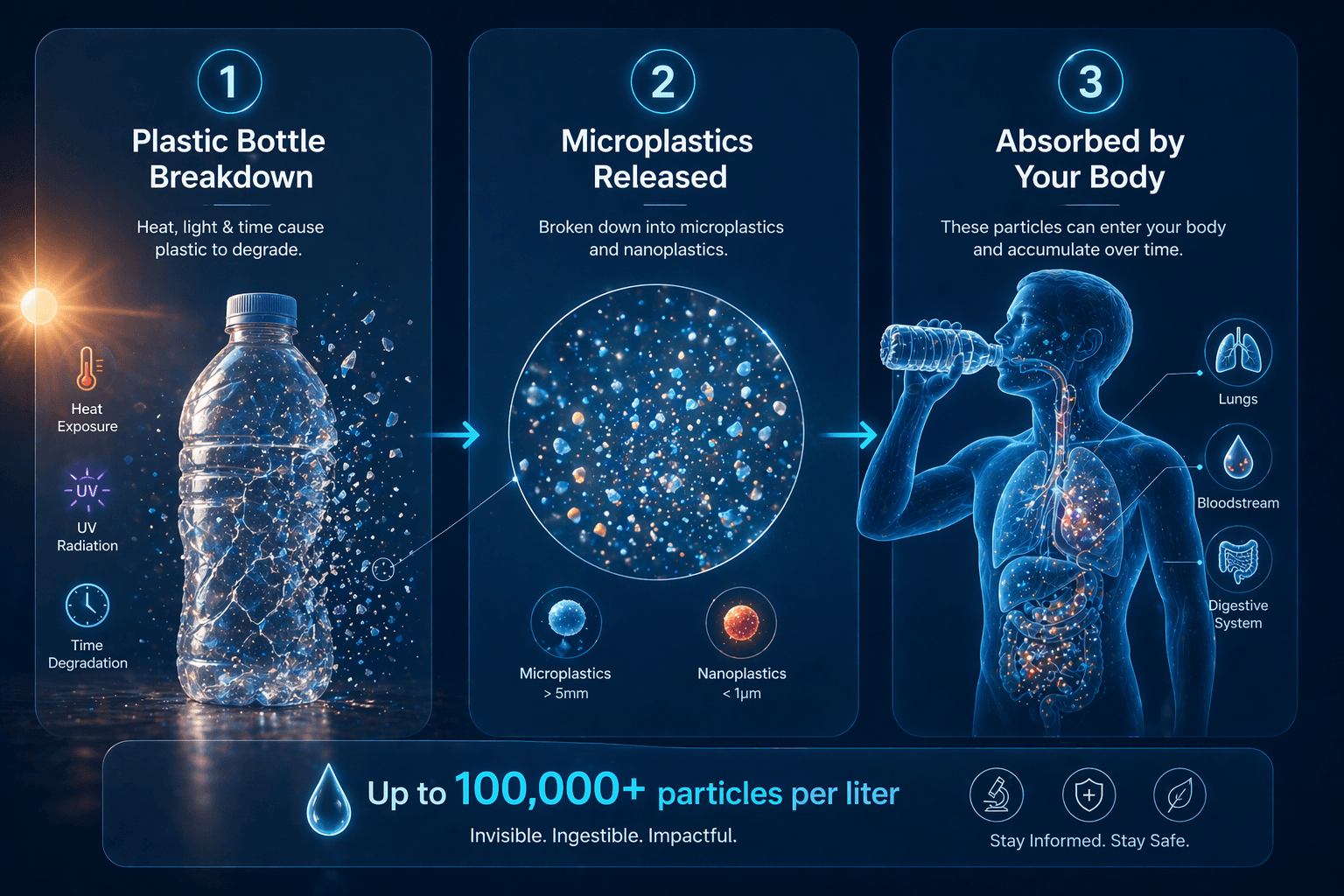
- Most particles are nanoplastics– so small they can enter your bloodstream
- Even glass bottles aren’t immune (plastic caps + processing still introduce contamination)
Let me simplify that:
- You can’t see it
- You can’t taste it
- But your body still absorbs it
Think of it like dust in sunlight. You don’t notice it until the light hits just right but it’s always there.
Why is microplastic in bottled water such a big deal?
Because it’s not just about water anymore, it’s about long-term exposure.
Here’s what concerns me after decades in this field:
1. Accumulation Over Time: Microplastics don’t just pass through. Some stay in your organs and tissues.
2. Chemical Hitchhikers: These particles often carry:-
- BPA-like compounds
- Industrial chemicals
- Heavy metals
It’s like a Trojan horse-you’re not just ingesting plastic, you’re ingesting what it carries.
3. Hormonal Disruption: Emerging research links microplastics to endocrine disruption, that means potential effects on:-
- Hormones
- Fertility
- Metabolism
I’m not here to scare you. I’m here to tell you what the industry won’t.
Isn’t bottled water supposed to be safer than tap water?
No. That assumption is one of the biggest myths I fight every day.
Here’s a straight comparison:
| Factor | Bottled Water | Properly Filtered Home Water |
| ➤ Microplastics | High risk (from packaging) | Low to near-zero (with correct system) |
| ➤ Regulation | Surprisingly loose | You control the system |
| ➤ Freshness | Can sit for months | On-demand, always fresh |
| ➤ Cost | Extremely high long-term | One-time investment |
| ➤ Transparency | Limited | Fully testable in your home |
Most people think they’re upgrading by buying bottled water.
In reality, they’re just trading one problem for another.
How does microplastic even get into bottled water?
Simple answer: plastic breaks down.
More detailed answer:
- Heat (like sitting in a car in Newport Beach sun) accelerates breakdown
- Pressure during bottling releases particles
- Friction during transport sheds microplastics
- Time itself degrades the bottle
Even before you open it, contamination has already happened.
So what’s the safest way to avoid microplastic in water?
You don’t solve this problem at the store.
You solve it at the source-your home.
But here’s where most companies lose you…
They push one system.
We don’t.
I’ve always said this:
We’re the Auto Mall of water treatment.
Not a single-brand dealership.
That means:
- We test your water on-site
- We diagnose your exact contaminants
- We build a system specifically for your home, not a generic fix
Because in Orange County especially coastal areas like Irvine, Newport Beach, and Huntington Beach-water conditions vary more than people think.
What kind of filtration actually removes microplastics?
The right system depends on your water, but generally:
Effective Technologies:
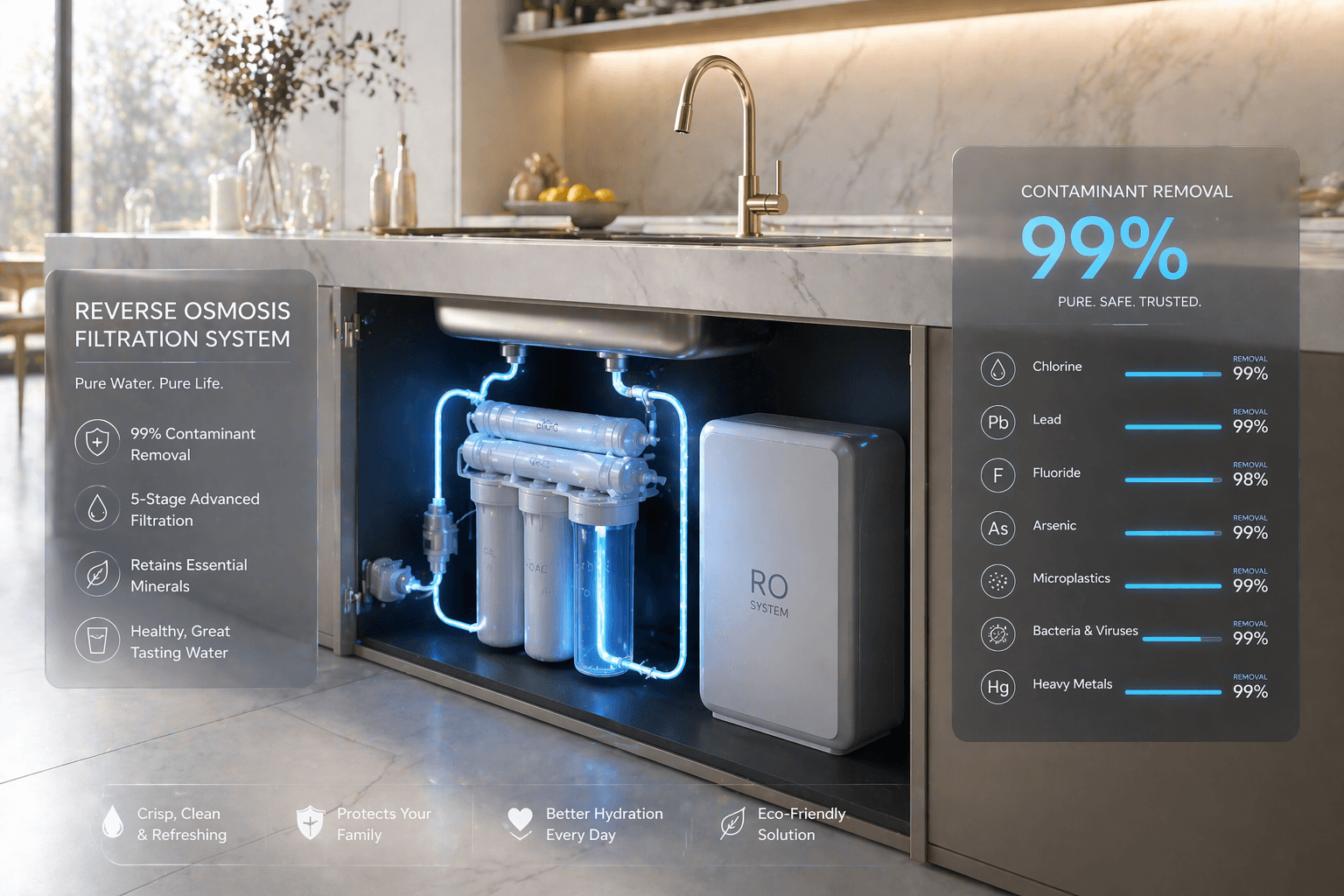
- Reverse Osmosis (RO): removes even nanoplastics
- Advanced Carbon Filtration: captures chemical residues
- Multi-stage whole-home systems: protects every tap
But here’s the truth most companies won’t tell you:
A poorly designed system is just expensive plumbing.
Installation, calibration, and matching the system to your home, that’s everything.
Why do most water companies get this wrong?
Because they’re selling products… not solutions.
- Franchise dealers push one brand
- Big box stores sell one-size-fits-all filters
- Online systems don’t account for your local water chemistry
That’s like prescribing the same medicine to every patient.
It doesn’t work.
What makes McCowin Water different?
We’ve been doing this since 1972. Not guessing. Not experimenting.
And we stand behind it with something most companies won’t even offer:
“If the system we install doesn’t perform the way we promised… If your water doesn’t taste, feel, or behave the way we said it would… We’ll pull the whole system out. And either replace it or make it right. No fine print. Because your trust is worth more than the sale.”
That’s not a marketing line.
That’s how we’ve stayed in business for over 50 years.
What should you do next if you’re concerned about microplastic in water?
Don’t switch brands.
Don’t guess.
Don’t rely on labels.
Get your water tested, properly with McCowin Water
We offer a Free, In-Home Water Test where:
- We test your water on-site (not sent to a lab)
- You see results instantly
- There’s zero pressure to buy anything
Because you deserve to know exactly what’s in your water before making a decision.
Final Word
If you live in Orange County and you’re relying on bottled water for safety…
You’re solving the wrong problem.
Let’s test your water and get you the truth.
Call us at (949) 569-5736 or Schedule a Free, In-Home Water Test Today.
McCowin Water Solutions
222 Goddard, Irvine, CA 92618
(949) 569-5736
CSLB Licensed C-55 #1022717
Three generations of McCowin Water. Trusted Orange County water expertise since 1972.