


By Brian McCowin, McCowin Water. Serving Irvine and Orange County since 1972.
Buying a reverse osmosis system can feel more complicated than it should. One system has three stages. Another has five. A more expensive model may have seven or even more. The names on the product labels can make the decision even harder. Sediment filter. Carbon filter. Membrane. Remineralization. Polishing filter. It is easy to assume that a system with more stages must always produce better water. However, the number of stages is only part of the story.
So, how many stages does an RO system have? Most household reverse osmosis systems have four to five main stages, although some models include additional filters or treatment steps. The right number depends on the quality of your incoming water and what you want the system to do. Understanding what each stage actually does can help you avoid paying for features your home may not need.
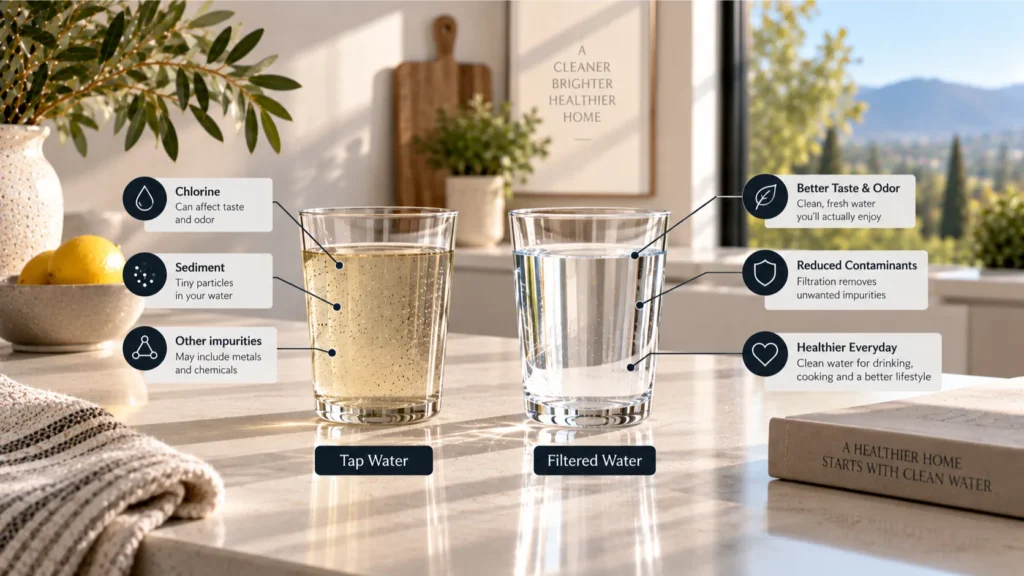
What does a stage mean in an RO system?
A stage is simply one step in the water treatment process. Each stage is designed to address a particular concern before the water reaches your drinking faucet. Think of it like preparing a meal. You may wash the vegetables, cut them, cook them, and add seasoning. Each step has a different purpose, and skipping one may affect the final result.
An RO system works in a similar way. One filter may catch dirt and fine particles. Another may help reduce chlorine and unpleasant tastes. The main RO filter handles many dissolved substances. A final filter may improve the taste before you drink the water. Not every system uses the same combination of stages. Some combine tasks into fewer steps, while others add extra filters for specific needs.
The important question is not simply, “How many stages does this system have?” It is, “What does each stage do for my water?”
The four main stages of a household RO system
Many standard household RO systems use four basic stages. These stages work together to prepare the water, treat it, and improve its final taste.
Stage 1: The sediment filter
The first stage usually handles visible particles and fine bits of material that may be present in the water. These can include dirt, dust, sand, and other small particles. The filter helps prevent these materials from reaching the later stages of the system.
This first step is important because the other filters work better when they are protected from excess dirt and debris. It is similar to using a strainer before pouring something into a clean container. The sediment filter does not solve every water problem. It is mainly there to catch particles, not to remove dissolved substances or address every unpleasant taste.
Stage 2: The first carbon filter
The next stage commonly uses a carbon filter to help reduce chlorine and certain chemicals that can affect the taste and smell of water. Municipal water is often treated with disinfectants before it reaches your home. These treatments serve an important purpose, but some homeowners notice a swimming-pool-like smell or taste in their tap water.
A carbon filter can help reduce this concern. This stage also helps protect the main RO filter. Too much chlorine can damage some RO membranes, so the carbon filter often serves two purposes: improving the water’s taste and helping protect the system.
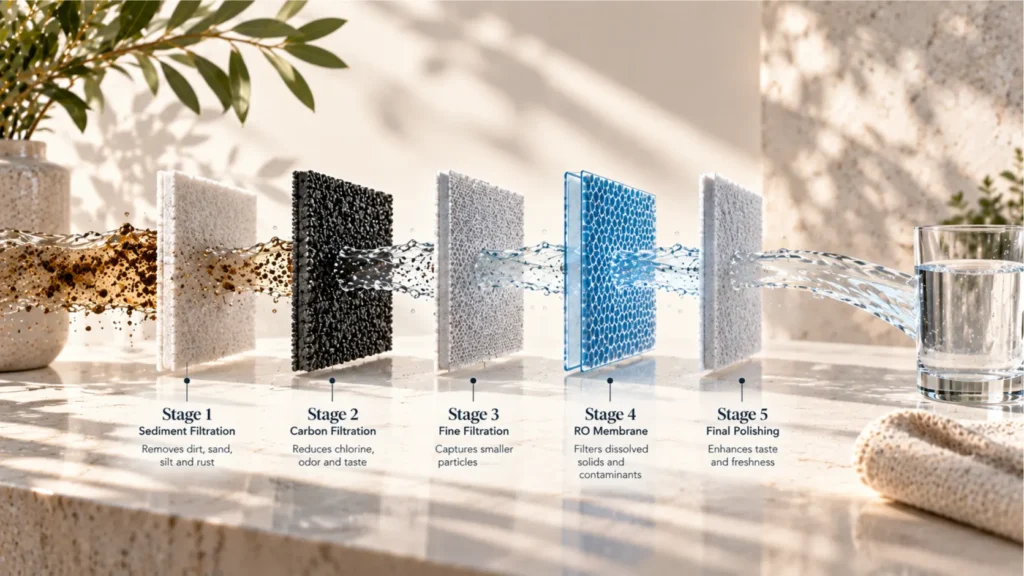
Stage 3: The reverse osmosis membrane
This is the stage that gives the system its name. Water is pushed through a very fine membrane under pressure. The membrane allows water to pass through while reducing many dissolved substances that ordinary filters may leave behind.
Depending on the system and water conditions, this stage can help reduce substances such as certain salts, minerals, and other dissolved contaminants. The RO membrane is often the most important part of the system when homeowners want more than improved taste. It is also the stage that requires the right water pressure and proper maintenance to work effectively.
The membrane does not work in isolation. The earlier filters help protect it, and the later stages help prepare the treated water for drinking.
Stage 4: The final carbon filter
The last stage in many basic RO systems is a small carbon filter placed after the RO membrane. Its main purpose is to improve the final taste of the treated water before it reaches your glass or bottle.
Even when the water has already gone through the main treatment process, it may pick up a slight taste from the storage tank or the tubing inside the system. The final filter helps make the water taste cleaner and fresher. This stage is often called a polishing filter because it provides a final improvement before the water is used.
Why do some RO systems have five or more stages?
Additional stages are not automatically unnecessary. They may be included to address specific water concerns or improve the way the system operates. A five-stage system, for example, may include an extra carbon filter before the RO membrane. This can provide additional protection when the incoming water contains more chlorine or has a stronger taste.
Some systems include a remineralization filter. This adds selected minerals back into the water after the RO process. Homeowners may choose this type of system because they prefer the taste or feel of water with some mineral content. Other systems may include filters designed for particular concerns. The value of these extra stages depends on what they are designed to do and whether your water actually requires them.
A system with seven stages is not necessarily better than a system with five. If the additional filters do not address a concern in your home, they may simply add cost, replacement needs, and maintenance. More equipment does not always mean a better result.
Does a higher number of stages mean cleaner water?
Not necessarily. The number of stages can be useful, but it does not tell you how well the system performs. Two systems with the same number of stages may use different filters, different membranes, and different designs. One five-stage system may be well suited to your water. Another may offer features that sound impressive but do little to address your actual concerns. The quality of the filters matters. The condition of the RO membrane matters. Water pressure, installation, filter replacement, and regular maintenance also affect performance.
It is much like comparing two cars by counting their parts. Having more parts does not automatically make one car safer or more reliable. You need to understand what those parts do and how well they work together. The same principle applies to drinking water systems.
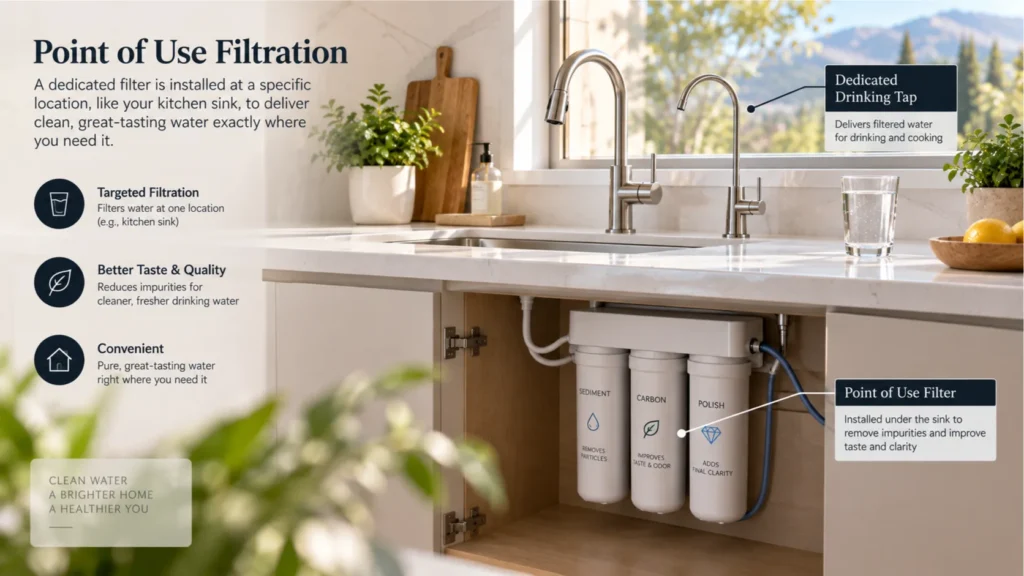
How often do RO stages need to be replaced?
Each stage has its own service needs. The sediment filter and carbon filters usually need to be replaced regularly because they collect particles and help reduce unwanted tastes and chemicals. The RO membrane generally lasts longer, but its lifespan depends on water quality, usage, pressure, and maintenance.
The final filter also needs to be changed according to the system’s requirements. Waiting until the water tastes unpleasant is not always the best approach. A filter may become less effective before you notice a clear change in taste or smell. A good water treatment provider should explain when each filter needs attention and what ongoing care the system requires. Understanding these details helps you protect your investment and maintain consistent performance.
How Many Stages Does an RO System Have and Which Is Right?
Start with your water, not the product label.
If your main concern is chlorine taste, a simpler filtration system may address the issue. If you want to reduce a wider range of dissolved substances in your drinking water, an RO system may be worth considering. Your household’s water use, available space, budget, and maintenance preferences also matter. A system that works well for a small family may not be the most practical choice for a larger household.
Why Orange County families have trusted the McCowin family since 1972
I’m Brian McCowin. My family has been installing and caring for Orange County’s water systems for more than fifty years, one home and one handshake at a time. That is not a slogan, it is the reason our customers still call us by name decades later. We test your water first, size the system to your actual home, install it like it is going into our own house, and we are still here when you need us, because we live and work in the same communities you do. If a system is right for you, we will show you why. If it isn’t, we will tell you honestly.
We’re a licensed California water treatment contractor (CSLB C-55 #1022717), serving Irvine and the surrounding communities: Tustin, Santa Ana, Newport Beach, Costa Mesa, Lake Forest, Mission Viejo, Orange, Anaheim, Huntington Beach, Fountain Valley, Yorba Linda, Laguna Niguel, Laguna Hills, Aliso Viejo, Rancho Santa Margarita, San Juan Capistrano, and San Clemente.
The McCowin Promise
For more than fifty years, we’ve helped Orange County homeowners understand their water through professional testing, honest recommendations, and customized solutions.
“If the system we install doesn’t perform the way we promised… If your water doesn’t taste, feel, or behave the way we said it would… We’ll pull the whole system out. And either replace it or make it right. No fine print. Because your trust is worth more than the sale.”
The right RO system is about more than the number
Most household RO systems have four to five main stages, but the ideal setup depends on your home’s water and your priorities. A system with fewer stages may be perfectly suitable for one household. Another home may benefit from additional treatment. The goal is to choose a system where every stage has a clear purpose.
Before you buy, ask what each filter does, how often it needs to be replaced, and whether it addresses a real concern in your water.
Book your free, in-home water test today, or call (949) 569-5736.
Frequently Asked Questions
How many stages does a standard RO system have?
Most household RO systems have four or five main stages. Some models include additional filters or treatment steps.
Is a five-stage RO system better than a four-stage system?
Not always. A five-stage system may include an additional filter, but the extra stage is only useful if it addresses a specific water concern or improves the system’s performance.
What is the most important stage in an RO system?
The RO membrane is the main treatment stage for reducing many dissolved substances. However, the other stages help protect the membrane and improve the final taste of the water.
Do all RO systems have the same stages?
No. Different systems use different combinations of filters and treatment steps. Always check what each stage does instead of relying only on the total number.
How long do RO filters last?
The lifespan varies by filter type, water quality, household usage, and maintenance. The manufacturer’s replacement schedule and a professional assessment can help you plan proper care.